Is tribal knowledge holding back the growth of your 20-person company?
You only notice tribal knowledge when someone is off sick for a week. Suddenly nobody knows how the month-end close works, which client has a different pricing agreement or why that one integration has to be switched on manually every Friday. One company grows from 20 to 100 people in a year. Another stays stuck at the same headcount and can't work out why.
The pattern is almost always the same. In companies of between 15 and 30 employees, the most important processes live in the heads of two or three people. Usually they are the first hires, the people who have been there from the start. They are fast and reliable and they know everything. That is exactly why nobody asks questions. It works, doesn't it? Until one of them goes on holiday, hands in their notice or drops out. Then half the company grinds to a halt, because nobody else can see how things actually work.
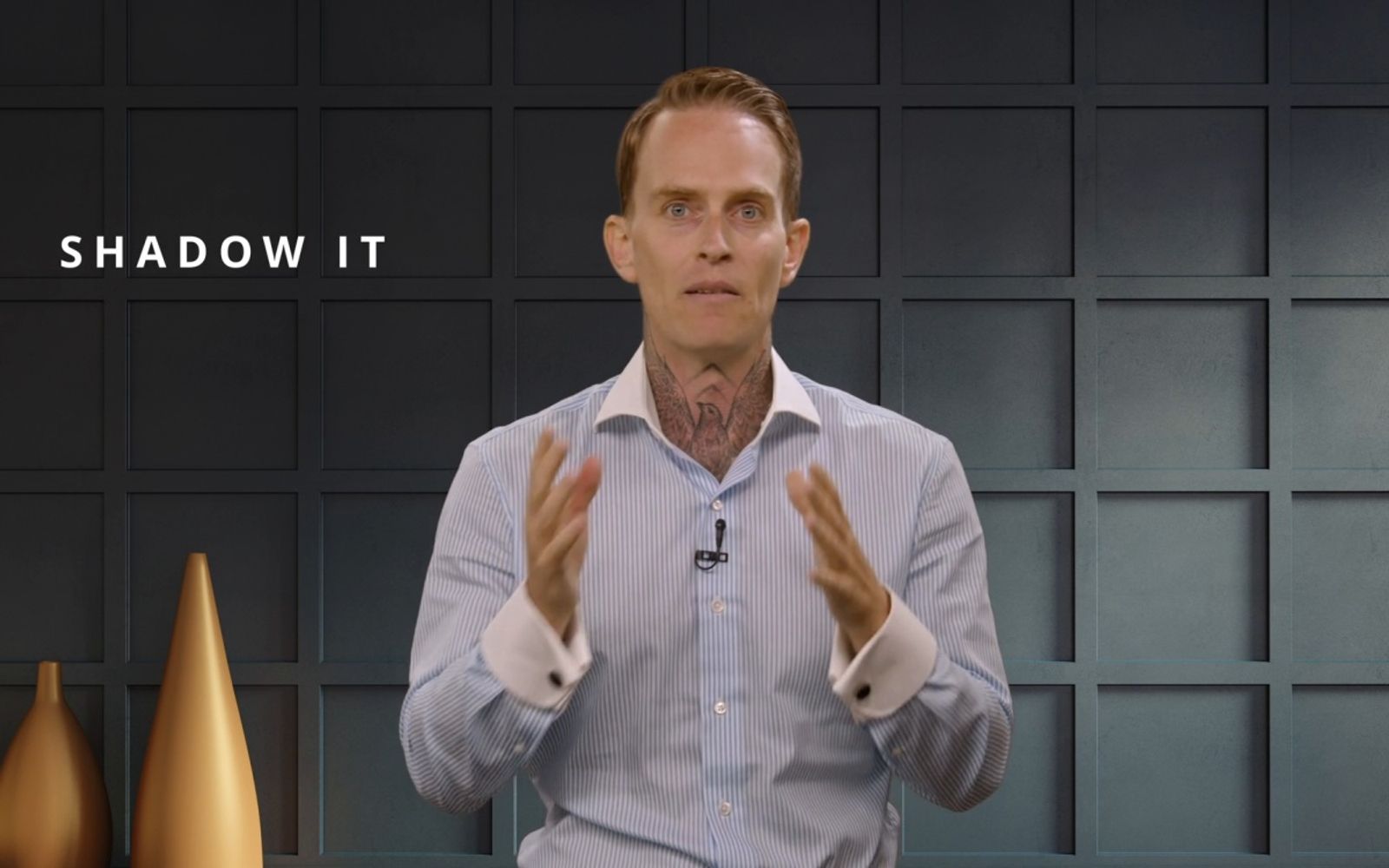
What makes it tricky: you don't see it yourself. It feels like a team that works well together. Meanwhile, people are building their own Excel lists and work instructions around your systems, because those systems don't do what they need. That is shadow IT, the second symptom, and it goes hand in hand with tribal knowledge. You lose the overview. And the reflex most managing directors have at that point only makes it worse.
Adding more people won't solve this
Most companies want to grow by hiring more people, spending more on marketing and pushing harder on sales. Sounds logical. But every new colleague you hire while the knowledge sits in three heads makes those three people busier. They become the help desk and the induction programme, and the safety net for mistakes as well. Their own work gets pushed back. The faster you hire, the harder you press on your own bottleneck.
The companies that do break through invest in systems first. By that I mean that the knowledge moves out of someone's head to a place the whole team can access, so not a complicated software project. A process that lives in the system can be carried out by a new colleague in week two. A process that only lives in Petra's head can only be carried out once Petra has time to explain it. Your growth rate is never higher than the speed at which knowledge spreads.
The bus factor scan in three questions
A quick way to see where you stand is what I call the bus factor scan. Take your five most important processes: preparing quotes, processing orders, sending invoices, onboarding clients and closing the month. Ask three questions for each process. Who can carry this out if the usual person is away for two weeks? Is it written down somewhere, in a place you can find within five minutes? And does it run in your central system or in someone's own spreadsheet?
How to read the outcome
If the answer to the first question is "nobody", you have an acute risk. If the description only exists as a Word file on someone's laptop, that is false security. It will be out of date within six months. And if the process runs on a private Excel file, you have tribal knowledge and shadow IT in the same place. That is the most dangerous combination, because you can't see what is going wrong until it already has.
Start with the process that raises the most questions
Don't try to document everything at once. For a month, watch which colleague is most often asked "how did that work again?". That is where your biggest bottleneck is. Capture that process in the system the team already uses and have someone else carry it out while the expert looks on. If that works without help, you're done. If it doesn't, you know exactly which knowledge is still missing. Do this for one process every month and within six months your organisation will look very different.
Do you recognise shadow IT or tribal knowledge in your own business? Then you aren't ready to grow yet, however big your ambitions. The good news: it can be fixed, and sooner than you might expect. Lead Innovation has a full checklist that shows where your systems are holding back your growth, which risks you are running and how to resolve them. Send us a message and we'll send it to you.